
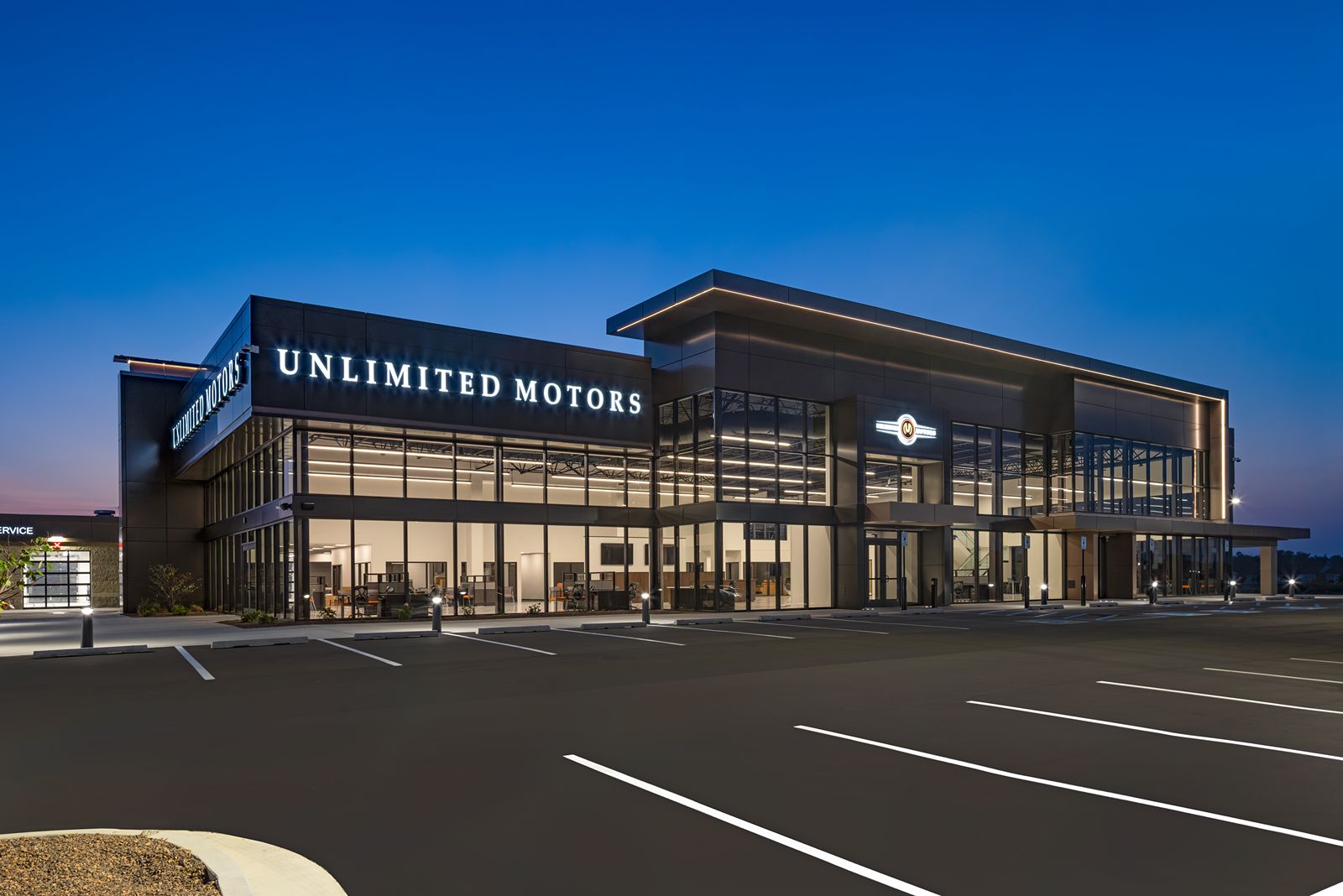
Turner Industries and the greater Baton Rouge metro's auto retail sector is driven by large dealer groups including Hollingsworth Auto Group, which operates Toyota, Honda, and other franchise locations across East Baton Rouge Parish. The Baton Rouge dealership market serves Louisiana's capital city and the surrounding parishes, with a strong truck and SUV sales profile driven by the region's energy, construction, and government workforce. Roofing dealership facilities in Baton Rouge combines Louisiana's extreme humidity and hurricane exposure with the operational demands of a high-volume auto retailer whose service department is a primary revenue center.
Louisiana's extreme humidity creates specific material durability challenges for Baton Rouge dealership roofing. The combination of sustained high relative humidity, summer heat indices above 110°F, and year-round UV exposure accelerates degradation in standard membrane formulations and is particularly hard on penetration sealants and skylight gaskets. Baton Rouge commercial roofing contractors specify biocide-treated TPO membranes for dealership projects because biological growth — algae and mold — on roofing surfaces is not just an aesthetic problem but a material degradation mechanism in Louisiana's hot-wet climate.
Hurricane exposure significantly affects roofing specifications for Baton Rouge dealerships. Hurricanes Katrina (2005), Gustav (2008), and Ida (2021) all impacted the Baton Rouge metro with damaging winds, and the dealership facilities that performed best in these events were those with FM 1-90 or higher rated roof assemblies with enhanced edge metal securement. The rooftop equipment at large dealerships — HVAC units, exhaust fans, and service department ventilation systems — creates numerous uplift vulnerability points at curb locations, and properly designed and installed curb-to-deck connections are as important as the membrane fastening pattern for wind resistance.
Service department skylights at Baton Rouge dealerships face combined UV, humidity, and hurricane wind stress that creates a more demanding weathering environment than most other U.S. markets. The skylights on a Baton Rouge service department that survived Hurricane Gustav may have sustained hidden damage to gaskets and frame sealants that gradually manifests as leaks in subsequent years. Post-storm skylight inspection — even when no visible damage is apparent — is appropriate practice for Baton Rouge dealers after any significant wind event, because the movement loads from hurricane-force winds can compromise sealant adhesion without creating immediately obvious physical damage.
Occupied service department operations during Baton Rouge roofing projects are subject to the same sequencing requirements as in other markets, with the added complexity of Louisiana's summer heat creating working condition challenges for crews on the roof and for the service department below. High ambient temperature and humidity in service bays during summer months means that any disruption to the service department's air conditioning system — from a rooftop unit temporarily disconnected during roofing work — creates uncomfortable working conditions for technicians. Coordination between the roofing contractor and the HVAC contractor to minimize AC downtime is an important project management element in Baton Rouge's summer climate.
Louisiana requires roofing contractors to hold a state contractor's license, which provides a baseline qualification standard for the Baton Rouge market. However, state licensing does not guarantee experience with the specific combination of hurricane wind design, extreme humidity, and occupied dealership operational requirements that define roofing work in East Baton Rouge Parish. Dealer groups should ask bidding contractors specifically about experience with hurricane-rated assemblies and dealership operational protocols, not just general commercial roofing experience.
Parts and paint operations at Baton Rouge dealerships run in Louisiana's humid climate, creating persistent moisture and chemical vapor exposure for the roof assemblies above. Paint booth exhaust systems in Baton Rouge need to discharge warm, solvent-laden air without creating condensation problems in the duct or at the roof penetration — a challenge that is more acute in Baton Rouge's high-humidity environment than in drier markets. Proper penetration flashing and duct insulation design prevents the moisture buildup that can degrade roofing materials at these critical points.
Service lane canopies at Baton Rouge dealerships are a critical customer amenity in a climate where afternoon thunderstorms are common and customers arriving for service appointments do not want to walk through heavy rain. These canopies need to be designed for both Louisiana's rainfall intensity — significantly higher than national averages — and the hurricane-force wind loads that the region experiences periodically. Metal panel canopies with hidden fasteners and properly secured edge metal provide the best combination of weather performance and appearance for Baton Rouge dealership service lanes.
Louisiana's commercial real estate market has seen increased investment in dealership facilities as large regional and national groups have consolidated local family-owned operations. This consolidation has raised expectations for facility quality and documentation, including roofing system specifications and warranty records. Roofing contractors who can provide comprehensive documentation packages — warranty transfers, maintenance agreements, and FEMA flood zone compliance records where applicable — are better positioned for the institutional dealership clients who now dominate the Baton Rouge market.
- What FM uplift rating is appropriate for Baton Rouge dealership roofs?
- FM 1-90 minimum; FM 1-105 for better hurricane margin. Edge metal securement and curb-to-deck connections are as important as membrane fastening for wind resistance — hurricane uplift acts on every projection and penetration on the roof surface.
- Should Baton Rouge dealers inspect skylights after every hurricane-strength wind event?
- Yes. Hurricane-force wind loads can compromise skylight gaskets and sealants without causing immediately visible damage. Post-storm inspection prevents gradual water intrusion that manifests months after the event, when connecting it to storm damage is more difficult.
- How is AC downtime managed during summer dealership roofing in Baton Rouge?
- Coordinate between roofing and HVAC contractors to sequence rooftop unit disconnections during early morning or late afternoon when ambient temperatures are lower. Minimize the period any unit is offline to prevent unacceptable bay temperature rises for service technicians.
- Does Louisiana require a roofing contractor's license?
- Yes. Louisiana's State Licensing Board for Contractors requires commercial roofing contractors to hold appropriate licensure. Verify current license status with the state board before awarding contracts, and ask for references from comparable Baton Rouge dealership projects.
- How does Baton Rouge humidity affect paint department roof penetrations?
- Paint booth exhaust discharging warm solvent-laden air in high-humidity conditions can create condensation at duct and penetration transitions. Proper duct insulation and penetration flashing design prevents moisture buildup that degrades both the ductwork and the surrounding membrane.