
Baton Rouge's food service industry combines the deep culinary traditions of south Louisiana — crawfish boil shacks, boudin stops along Airline Highway, Cajun and Creole sit-down restaurants in the Garden District and Mid City — with the full complement of national QSR brands that line Siegen Lane, Coursey Boulevard, and the commercial strips flanking Interstate 10. The LSU campus area generates year-round demand for food service ranging from fast casual chains on Nicholson Drive to the sports bar and restaurant cluster around Tiger Stadium that draws massive crowds on home football weekends. Commercial roofing for Baton Rouge food service buildings must be designed for one of the most challenging climatic environments in North America: subtropical heat and humidity, a lengthy hurricane season, and rainfall totals that rank among the highest of any major American city.
Baton Rouge averages over 60 inches of annual rainfall, and the city's low topography and significant flooding history mean that water management on commercial roofs is not an abstract concern — it is an active operational risk. Restaurant roofs with inadequate drainage, ponding areas, or degraded penetration flashings don't fail slowly in Baton Rouge; they fail during the intense afternoon convective storms that can dump three inches of rain in an hour. A single such event finding its way through a compromised grease exhaust flashing can flood ceiling cavities, damage kitchen equipment, and trigger a health inspection closure before the same-day cleanup is complete. Pre-storm-season roof inspections in late April, before the summer convective pattern establishes, are essential maintenance for any food service operator in this market.
The humidity environment in Baton Rouge creates ongoing challenges for restaurant roof assemblies that don't arise in drier climates. The warm, moisture-laden air that characterizes Baton Rouge from April through October infiltrates any gap in the roof assembly, condenses inside insulation layers, and creates sustained moisture content that promotes mold growth and structural deck deterioration. Commercial kitchen operations compound this by adding interior moisture loads from cooking and the steady exhaust volume that draws replacement air through building envelope gaps. Roof assemblies on Baton Rouge food service buildings need vapor retarder layers at appropriate positions in the assembly to prevent interstitial condensation — a detail that roofing contractors with no local experience sometimes overlook.
Hurricane season from June through November is a planning reality for Baton Rouge restaurant operators, and roofing systems on food service buildings need to meet Louisiana wind zone requirements for the greater Baton Rouge area. Hurricanes Katrina, Gustav, and Ida all caused significant damage in this region, with wind uplift failures on commercial roofs accounting for a substantial portion of restaurant business interruptions following those events. TPO and PVC membrane systems with properly designed and tested wind uplift attachments — not just the standard fastening pattern, but engineered patterns for the actual building's dimensions and height — perform significantly better in high-wind events than systems installed to minimum code standards. Given the replacement cost of a failed roof plus business interruption losses, the premium for wind-engineered attachments is modest.
Grease exhaust systems on Baton Rouge restaurant roofs face accelerated degradation from the combination of heat, humidity, and the grease loads generated by south Louisiana cuisine. Deep-frying, blackening, and the high-BTU cooking methods characteristic of Cajun and Creole kitchens generate grease exhaust volumes that exceed what standard QSR exhaust systems produce, and the warm, humid air surrounding exhaust penetrations means that grease deposits absorb atmospheric moisture and become a semi-liquid film on membrane surfaces rather than the dry deposits seen in drier climates. This wet grease film penetrates micro-cracks in sealants more aggressively than dry deposits do, requiring more frequent cleaning and higher-performance flashing materials than the same volume of exhaust would require in a drier climate.
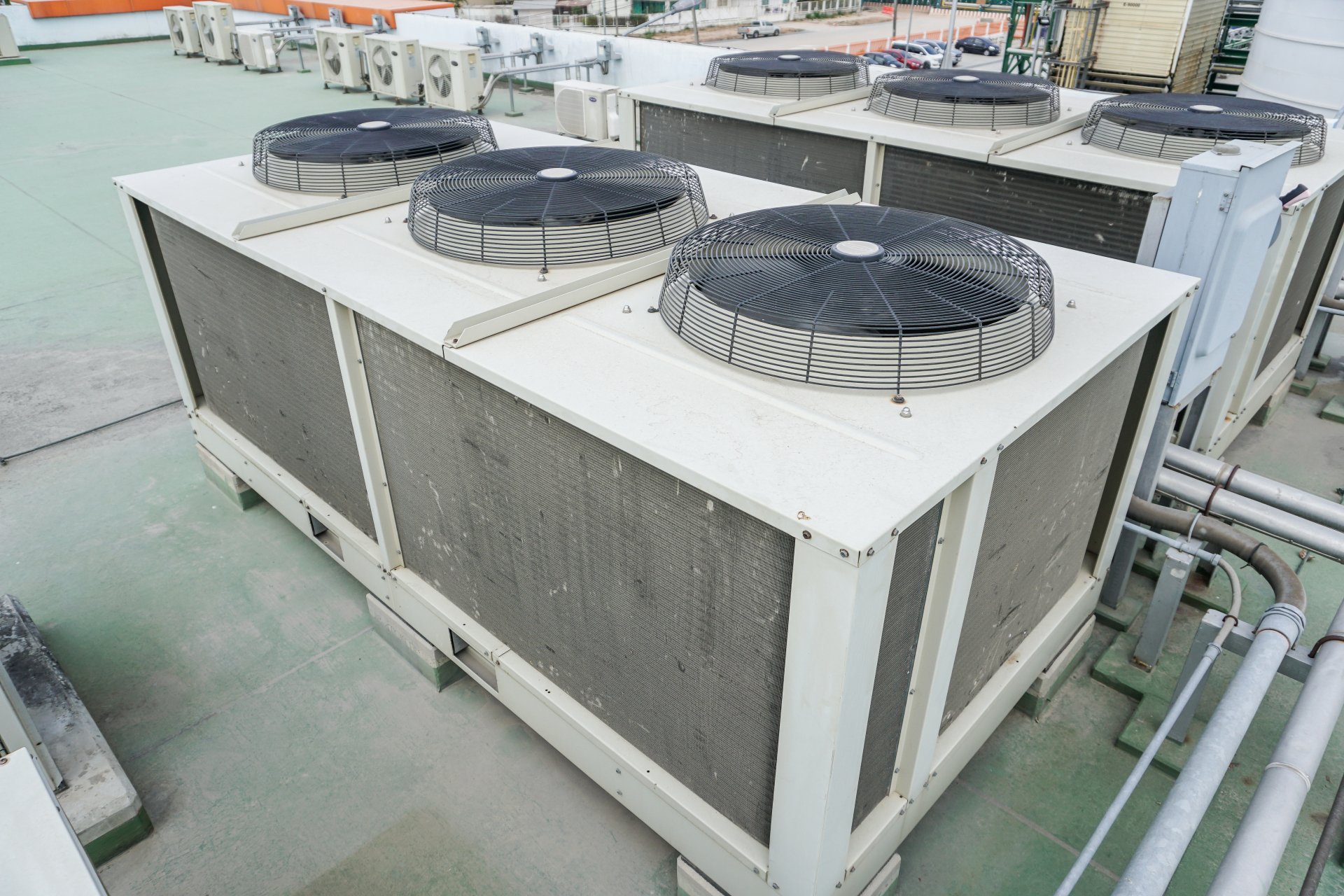
Walk-in coolers in Baton Rouge restaurants operate under extraordinary stress because the combination of high ambient temperature and high humidity creates a severe operating environment for refrigeration equipment. When condensate drains on rooftop cooling equipment become clogged — a common occurrence in a climate where biological growth in drain lines is nearly constant — water backs up and can overflow roof drain areas adjacent to cooler penetrations. This overflow combines with the normal condensation accumulation at cooler curb flashings to create sustained moisture exposure that accelerates flashing failure. Monthly condensate drain inspection and clearing is a maintenance task that prevents a minor mechanical issue from becoming a roofing problem.
The food hall and pop-up dining culture that has developed in Baton Rouge's Mid City and downtown neighborhoods — including operations in and around the Shaw Center and the emerging Third Street dining district — creates concentrated food service operations in buildings that weren't originally designed for commercial kitchen loads. Multi-tenant food service buildings place multiple grease exhaust systems, fire suppression components, and rooftop equipment installations in proximity, creating a zone of heavy roof penetration density that requires comprehensive maintenance management. A maintenance protocol for a food hall building in Baton Rouge needs to address each tenant's exhaust penetrations independently while managing the shared roof system as a whole — a complexity that standard commercial roofing maintenance contracts don't always accommodate.
Louisiana's food service inspection program requires that restaurant operators maintain overhead surfaces in food preparation areas free of evidence of moisture intrusion, mold, or structural deterioration. The Louisiana Department of Health's sanitarian program conducts unannounced inspections, and findings related to ceiling conditions above food prep surfaces are categorized as Priority Foundation violations that require corrective action before the next routine inspection. Baton Rouge restaurant operators who have experienced the aftermath of a failed inspection know that the reputational damage from a public violation posting can outlast the physical repair. Proactive roof maintenance is the most reliable way to prevent health inspection findings that originate from roof system failures.
Coordinating roofing work around Baton Rouge's restaurant calendar requires awareness of LSU football season, which runs from late August through November and generates enormous restaurant demand across the city every home game weekend. The Mardi Gras season in February and March, the crawfish festival season in spring, and the tailgate culture that surrounds Tiger Stadium events all create peak revenue periods when restaurant closures for roofing work are disproportionately costly. Experienced Baton Rouge roofing contractors who serve food service clients plan project timelines with these revenue peaks in mind, scheduling the most intensive work phases in the low-traffic periods between the end of football season and the beginning of the spring event calendar.
- How does Baton Rouge's rainfall intensity affect restaurant roof maintenance requirements?
- Baton Rouge receives over 60 inches of annual rainfall including intense convective storms that test drainage capacity and penetration integrity under extreme conditions. Any weakness in flashing, drainage design, or membrane seams that might go undetected in a drier climate will be revealed quickly in Baton Rouge's rainfall environment. Pre-storm-season inspections in late April combined with post-storm assessments after major weather events are the minimum maintenance standard for food service roofs in this market.
- What wind uplift standards apply to restaurant roofs in the Baton Rouge area?
- The greater Baton Rouge area falls within Louisiana's high-wind design zones, and commercial roofs must meet wind uplift requirements that reflect the region's hurricane exposure. ASCE 7 wind load calculations for building height, dimensions, and exposure category determine the required attachment density for mechanically fastened membrane systems, and these calculations should be performed by a qualified engineer rather than assumed from standard installation tables. Re-roofing projects that don't address wind uplift engineering represent a significant risk in a market where hurricane-force winds recur.
- Do south Louisiana cuisine kitchens generate higher grease exhaust loads than standard QSR kitchens?
- Yes — the high-BTU cooking methods, deep-frying volumes, and use of fat-based cooking foundations in Cajun and Creole cuisine generate grease exhaust concentrations that exceed the output of standard burger or sandwich QSR operations. Restaurants specializing in boiled seafood, fried catfish, and blackened preparations should plan for more frequent exhaust penetration cleaning and should specify exhaust curb flashings using the highest-tier chemical resistance materials available.
- How should a Baton Rouge food hall manage roofing maintenance across multiple tenant kitchens?
- Multi-tenant food hall buildings need a centralized maintenance management approach where a single roofing contractor is responsible for the entire shared roof system and maintains individual records for each tenant's penetrations. This prevents situations where one tenant's exhaust penetration is properly maintained while adjacent penetrations from neighboring tenants are degraded. A single service agreement covering the shared roof with individual tenant notification requirements is the most practical structure for managing these complex buildings.
- What happens to condensate drain lines on Baton Rouge restaurant rooftop equipment?
- The warm, humid Baton Rouge climate creates ideal conditions for algae and biological growth in condensate drain lines, which can clog drains and cause overflow within weeks of a cleaning in summer months. Restaurant operators should include monthly condensate drain inspection and treatment as part of routine HVAC maintenance, and roofing inspections should confirm that drain overflow areas near cooler and HVAC penetrations show no evidence of water damage. Algaecide tablets in condensate drain pans are a cost-effective preventive measure that reduces clogging frequency significantly.