
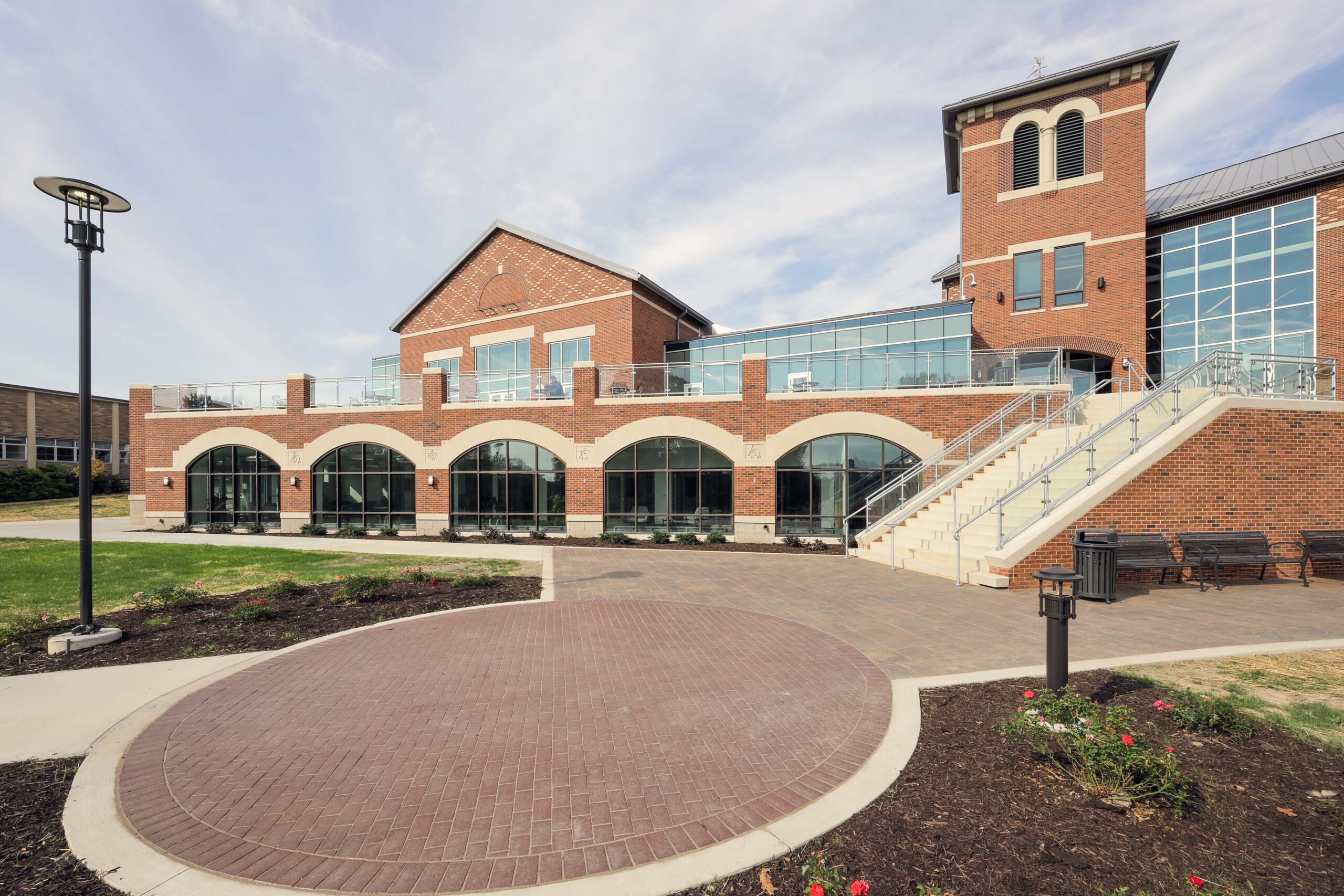
Louisiana State University's main campus in Baton Rouge is one of the most architecturally distinctive public university campuses in the South, defined by the Italian Renaissance architecture of its historic core buildings — Memorial Tower, the Pentagon Dormitories, and the original academic quad — and supplemented by a century of additions spanning every major construction era. LSU's enrollment exceeds 35,000 students, and its facilities portfolio encompasses hundreds of buildings on a campus of nearly 2,000 acres. Managing roofing across LSU's campus requires preservation sensitivity for historic buildings, procurement fluency in Louisiana's public university system, and genuine expertise in the subtropical climate conditions that make LSU one of the most demanding roofing environments in American higher education.
Semester scheduling at LSU is compressed by Louisiana's climate as well as the academic calendar. The summer construction window — from mid-May through mid-August — is when most academic building reroofing must occur, and it is shortened at both ends by summer session enrollment and the August fall move-in deadline. Louisiana's summer heat and humidity make afternoon roofing work in June, July, and August among the most physically demanding in the country: heat index values above 110 degrees Fahrenheit are common, and roof surface temperatures can exceed 180 degrees Fahrenheit. We enforce heat illness prevention protocols more stringent than Louisiana OSHA requirements and schedule heat-sensitive operations for morning hours throughout the Baton Rouge summer.
Multi-building campus programs at LSU align with the University's capital renewal investment strategy, which addresses the significant deferred maintenance backlog accumulated in state-funded higher education institutions over budget-constrained years. A coordinated roofing program covering multiple buildings annually produces consistent specifications, matched membrane systems across the campus, and the efficiency gains of continuous contractor institutional knowledge. Louisiana Board of Regents procurement requirements allow for qualification-based continuing services contracts appropriate for multi-year campus roofing programs, and we maintain the documentation and qualification status required to participate in LSU's facilities contracting programs.
Historic buildings at LSU's Italian Renaissance core require roofing approaches developed in collaboration with preservation architects and the Louisiana State Historic Preservation Office. The original campus quadrangle buildings, completed in the 1920s, are significant examples of regional collegiate architecture and include materials and details — clay tile roof surfaces, historic guttering systems, decorative parapet elements — that require preservation-compatible repair and replacement approaches. We maintain working relationships with preservation architects experienced in LSU campus standards and bring that expertise to every historic building roofing engagement.
LEED certification is increasingly present in LSU's new construction and major renovation projects, driven by Louisiana Board of Regents green building requirements for public institutions. Roofing decisions affect multiple LEED credit categories, and in Baton Rouge's hot, humid climate, cool roof credits are particularly impactful — white reflective membranes significantly reduce cooling loads in a climate where air conditioning represents a substantial fraction of building energy cost. We provide full LEED documentation packages for LSU projects and design vegetative roofing systems where green roof credits contribute to certification thresholds.
Louisiana public university procurement requires competitive bidding for construction projects above threshold amounts, with HUB (Small Business) subcontracting goals, prevailing wage consideration, and contractor registration under the Louisiana Licensing Board for Contractors. LSU's Facility Services department manages both capital construction and ongoing maintenance procurement, with different frameworks applicable to different project types and sizes. We maintain active Louisiana contractor licensing, comply with LSU's procurement requirements at all project types, and maintain HUB subcontracting documentation for capital projects. Understanding LSU's procurement framework — and which path applies to a given scope — is essential for contractors serving this market.
Student housing at LSU is substantial — the Pentagon complex and numerous other residential buildings house thousands of students during the academic year. Residential building reroofing must be scheduled during summer break and completed before fall move-in, which is among the most time-critical construction milestones at any Louisiana university. Hurricane preparedness is an additional consideration: roofing work on residential buildings that extends into late summer must include hurricane preparedness planning, since August and September are peak months for Gulf Coast tropical activity. We include hurricane contingency plans in every late-summer LSU residential reroofing project.
Athletic facilities at LSU — Tiger Stadium, the Pete Maravich Assembly Center, and the athletic complex — represent some of the most complex roofing projects in Louisiana higher education. Tiger Stadium's capacity and architectural character make it a high-profile project where work quality is visible to a large audience. The athletic calendar governs scheduling: fall football season is inviolable, spring practice limits access in March and April, and the construction window for the stadium is effectively limited to December and late January. We build athletic facility scheduling constraints into project planning as primary constraints, not afterthoughts.
Louisiana's subtropical climate — with its extreme heat, high humidity, hurricane exposure, and above-average annual rainfall — creates a roofing maintenance environment where every deferred repair becomes a more expensive problem faster than at universities in more moderate climates. Biological growth on membrane surfaces is measurably faster in Baton Rouge's warmth and moisture than at northern universities; hurricane season creates an annual forcing function for membrane integrity; and the combination of heat and humidity drives vapor pressure through roof assemblies that are not designed for Louisiana's conditions. We provide annual condition assessment programs for LSU buildings that identify emerging issues in the inexpensive repair category, formatted for LSU's capital planning and Board of Regents reporting cycles.
- How do you manage heat illness risk during Baton Rouge summer roofing at LSU?
- We apply heat illness prevention protocols more stringent than Louisiana OSHA requirements, including wet bulb globe temperature monitoring, mandatory rest and hydration schedules, and afternoon scheduling restrictions on heat-sensitive operations. Emergency response protocols for heat illness events are in place before mobilization, and crew supervisors are trained in heat emergency recognition and response.
- What hurricane preparedness planning do you include in LSU reroofing projects?
- For any project with open roof sections during the June-November hurricane season, we maintain pre-approved tarping and tie-down plans for rapid close-in on 24-hour notice, establish protocols for monitoring National Hurricane Center advisories, and ensure that all roofing materials and equipment can be secured or removed from the site before a storm. Partially completed roofing is a significant liability during a Gulf Coast storm.
- How do you approach preservation requirements at LSU's historic core buildings?
- We engage with preservation architects and the Louisiana SHPO before specifying systems for historic structures. Material compatibility with architectural character is the primary specification driver for historic buildings, and we maintain familiarity with specialty materials appropriate for Italian Renaissance collegiate architecture. SHPO review timelines are incorporated into project planning schedules.
- Do you maintain active Louisiana contractor licensing for LSU projects?
- Yes. We maintain active licensing under the Louisiana Licensing Board for Contractors in the classifications required for commercial roofing work, comply with LSU procurement requirements at all project types, and maintain HUB subcontracting documentation for capital construction projects.
- What biological growth management do you include in LSU service programs?
- Annual inspections for biological community establishment on membrane surfaces, treatment protocols for buildings where growth is confirmed, and specification of antimicrobial membrane formulations on replacement projects where growth has been documented. Drain system biological fouling management is included in quarterly drain inspections.